Security cameras used to be blind archivists, filling hard drives with footage no one had time to watch. The shift to machine learning changed that dynamic. Systems now prioritize events, identify patterns, and put context behind pixels. When deployed well, they reduce response times, shrink storage costs, and uncover risks that humans miss during long monitoring shifts.

The caveat is important. Getting value from AI in video surveillance takes more than turning on a feature in a dashboard. It takes clear objectives, data stewardship, the right hardware for the environment, and a plan for cybersecurity in CCTV systems that isn’t an afterthought. The technology is capable, but it’s not magic. It’s a set of tools that work only as well as the operational discipline around them.
What machine learning actually does in surveillance
Machine learning doesn’t watch video the way a person does. It learns patterns from annotated examples, then scores what it sees against those patterns. In practice, that means models flag unusual motion in a restricted corridor, distinguish a person from a vehicle, or recognize a face in a quiet lobby at 2 a.m. Good systems reduce nuisance alerts by understanding context. A person running on a track during business hours is normal. A person loitering behind a storefront after closing, stopping at the same door three times, is not.
The most common analytics in production environments include object detection, object tracking, line crossing, dwell time analysis, people counting, license plate recognition, and facial recognition technology. Less visible, but just as useful, is scene understanding, where the model learns typical activity patterns for a camera and marks deviations. For example, a distribution center camera might learn that forklifts pass every minute during the day, but if one stops under a mezzanine for an unusual duration, it surfaces the event.
The promise is actionable triage. Operators handle the five events that matter rather than scrubbing through six hours of video. On construction sites, this has reduced theft loss by thousands of dollars per month. In retail, coupling people counting with dwell time near high-value displays helped managers rearrange staffing and cut shrink by measurable percentages.
Resolution matters, but not the way vendors claim
Marketing often treats resolution as the defining metric. 4K security cameras explained simply: you get about four times the pixel count of 1080p, which can make the difference when you need to read a logo on a jacket or pick out a license plate at distance. The trade-offs appear quickly. Higher resolution increases bitrate, storage, and compute requirements for analytics. At night, small sensors crammed with more pixels can underperform compared to lower resolution sensors with larger pixels that gather more light.
The question to ask is not “Do we need 4K?” but “What detail must we reliably capture?” If the goal is facial recognition technology at a doorway, field-of-view and face size in pixels matter more than headline resolution. If the goal is general situational awareness in a parking lot, a well-tuned 1080p camera with a fast lens and strong low-light performance often delivers superior results, especially when paired with supplemental IR illuminators.
A sensible approach blends resolutions. Use higher resolution for choke points where identification matters, and moderate resolution for wide-area coverage. This balance manages bandwidth while preserving evidentiary value in the areas that count.
Edge analytics versus the server, and why it’s not either-or
Vendors now ship cameras with onboard neural accelerators capable of running object detection and tracking models on the device. Edge analytics minimize latency and reduce backhaul bandwidth. A camera can filter motion, send only clips that meet criteria, and trigger local alarms even if the network link is intermittent.
Server or cloud analytics still play a role. They aggregate events across cameras, correlate behavior between zones, and run heavier models that exceed the power envelope of a small device. In practice, I recommend pushing first-pass detection and basic classification to the edge, then applying cross-camera association and advanced video analytics for business security on a centralized platform. This architecture scales better, especially on sites with dozens or hundreds of cameras.

One detail to plan for: model updates. Edge models drift as environments change. Dust on a lens, seasonal foliage, new signage in the field-of-view, or a switch to LED lighting can alter the scene statistics. Set a quarterly review to retrain or recalibrate, and schedule staged rollouts during low-traffic hours. Always keep the previous model version available for rollback.
Storage strategy: local, cloud, or hybrid
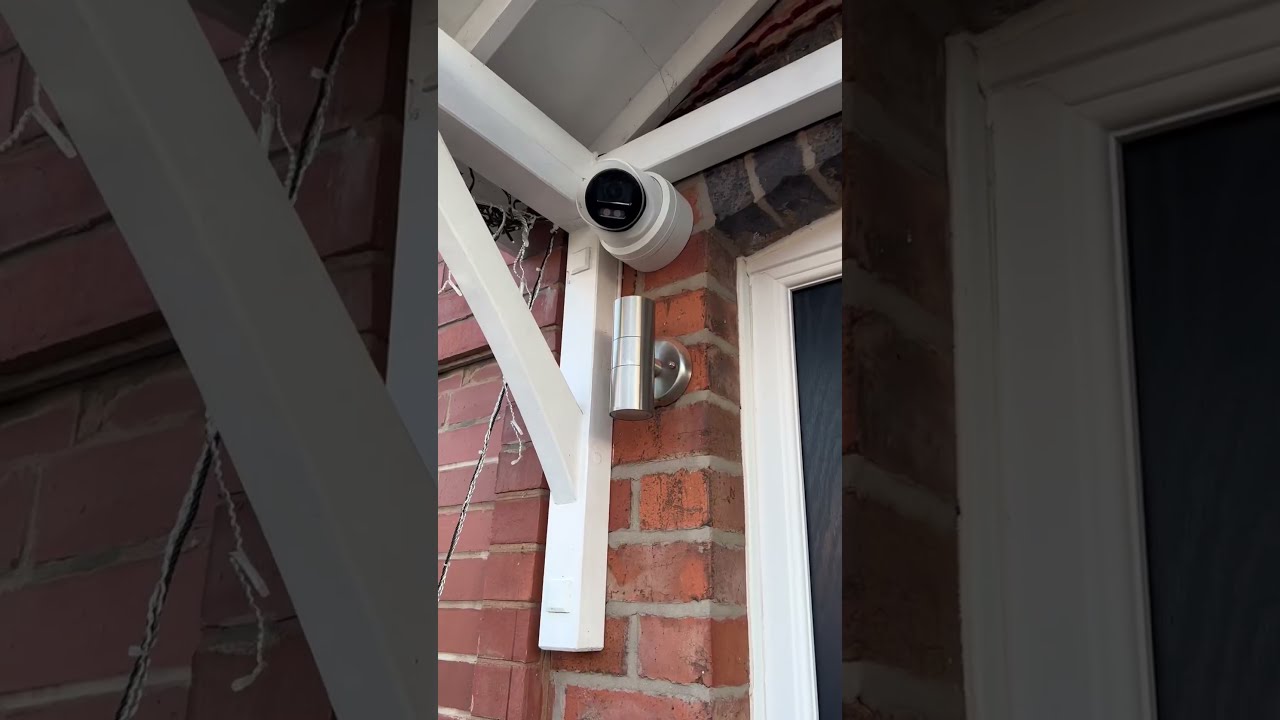
Years ago, the standard was a network video recorder humming in a closet. Today, cloud-based CCTV storage offers elasticity and offsite durability, which matters when a thief steals the recorder along with the merchandise. The downside is recurring cost and potential bandwidth saturation. A single 4K camera at 15 frames per second can require 8 to 12 Mbps, multiplied across dozens of cameras, which strains uplinks.
A hybrid model works well. Record high bitrates locally for evidentiary timelines. Push event-driven clips and metadata to cloud storage for rapid search and disaster recovery. If the camera supports on-board SD redundancy, configure it as a failover buffer for short network outages. Retention policies should reflect legal and operational needs. Most retailers keep 30 to 90 days. Critical infrastructure sites often retain 180 days or more for compliance.
Compression settings and variable bitrate have major cost impact. Spend an afternoon documenting typical scenes for each camera and tune GOP length, bitrate caps, and frame rates based on motion profiles. I’ve seen storage consumption drop by 25 to 40 percent without noticeable degradation simply by aligning settings with real activity patterns.
Low light is its own discipline
Thermal imaging cameras change the calculus at night. They see heat signatures rather than visible light, which makes them invaluable for perimeter security, especially in fog, smoke, or across long distances. They don’t capture facial detail or readable text, so think of them as reliable early warning, not as identification tools. Pair a thermal camera covering the fence line with a visible-light PTZ that automatically slews to any thermal detection. That combination curbs false positives and gives responders the context they need.
For general low-light scenes, look beyond the lux rating on spec sheets. Consider sensor size, lens aperture, and noise reduction behavior. Aggressive temporal noise reduction can smear motion and undermine analytics. If your camera firmware allows it, create a night profile with slightly higher shutter speeds, modest gain, and IR illumination tuned to avoid hot spots that blow out faces near the lens while leaving backgrounds underexposed.
Facial recognition and the ethics of identification
Facial recognition technology is powerful, but not trivial to deploy responsibly. Accuracy hinges on camera placement, lighting, and the face size in pixels, typically 60 to 100 pixels between the eyes for reliable matching. Even with perfect optics, false matches occur, especially across diverse populations or when faces are partially occluded.
Legal frameworks vary by jurisdiction. Some cities and regions restrict or require explicit consent for face matching. From a practical standpoint, keep facial databases narrow and purpose-driven. A watchlist of trespassed individuals or a VIP list for a private venue is easier to defend than a broad sweep. Implement human review before action, and maintain audit logs of every match, reviewer, and outcome. This both improves performance over time and protects against overreliance on an algorithm.
You can still get value from less sensitive identity cues. Soft biometrics such as clothing color, carried objects, and gait patterns provide correlation without asserting identity. Combined with time and location constraints, they often narrow a search to a handful of candidates without invoking a face match.
Cybersecurity in CCTV systems is now table stakes
Camera networks sit at a messy intersection of operational technology and IT. A compromised camera is not just a lost video feed. It can be a foothold into your corporate network. Prioritize a few controls that reduce risk dramatically.
- Isolate camera networks from business systems, using VLANs or physically separate switches. Provide controlled, logged routes only to management servers and storage. Replace default credentials, disable unnecessary services, and enforce unique device passwords. Where available, enable certificate-based mutual authentication. Patch camera firmware and VMS software regularly. If you don’t have a process owner, assign one. Tie patches to change windows and test on a small subset of devices first. Use encrypted protocols for video and management traffic, such as TLS for APIs and SRTP where supported. Avoid exposing camera endpoints directly to the internet. Monitor for anomalous device behavior with simple baselines: unexpected outbound traffic, unusual DNS queries, or changes in frame rate and bitrate outside maintenance windows.
This single list is deliberate. These steps catch the majority of issues I’ve seen in the field, from infected cameras mining cryptocurrency to hijacked feeds used as decoys during thefts.
IoT and smart surveillance: beyond video
Modern cameras are just one member of a broader sensor family. Door contacts, glass-break sensors, BLE beacons, access control logs, and even HVAC telemetry add context that video alone can’t provide. IoT and smart surveillance platforms correlate these signals. A door propped open for longer than policy is one signal. A door propped, matched with people counting that shows inbound traffic after hours, is an event worth dispatching.
Edge gateways can fuse sensor data locally, triggering actions without waiting on the cloud. A simple but effective pattern is to pair a PIR motion detector with a camera in a warehouse aisle. The PIR cuts false positives from moving machinery that might fool video motion detection, while the camera provides visual confirmation. These small combinations, done thoughtfully, reduce alarm fatigue.
Video analytics for business security: measurable wins
Analytics shine when tied to a business question. A few examples drawn from deployments that worked:
- Retail shrink: People counting at entrances, integrated with point-of-sale exceptions, produced heatmaps showing staff blind spots. Managers shifted one associate per shift to an aisle with high dwell and low conversion. Shrink dropped by 10 to 15 percent over a quarter. Logistics: License plate recognition at gates cross-checked against load schedules reduced manual guard checks by half and cut average queue time by 7 to 12 minutes per truck. That reclaimed bay time adds up across a day. Hospitality: Loitering detection around valet stands flagged a pattern of pickpocketing. Adjusting lighting and adding a visible dome camera near the choke point reduced incidents within a month. Manufacturing: PPE detection for hardhats in a fabrication area surfaced noncompliance at shift changes. Rather than discipline, supervisors adjusted storage locations for PPE and posted reminders at entrances. Compliance rose above 95 percent within two weeks.
The thread connecting these outcomes is specificity. Define the metric, deploy analytics in the right vantage points, and agree on the response playbook before alerts start firing.
Emerging CCTV innovations that actually matter
Plenty of features earn flashy demos yet fade during real use. A few trends are sticking because they solve persistent problems.
- Self-learning scene models that adapt to seasonal changes without manual recalibration. Cross-camera re-identification that tracks a person or vehicle across non-overlapping views using appearance embeddings, useful in malls and campuses. Privacy-preserving analytics that operate on hashed features or run on-device, reducing exposure of personally identifiable imagery. Synthetic data to augment model training for rare events, such as a person crawling under a gate, improving recall without waiting months for real examples. Low-code workflows that let security teams compose triggers and actions without writing scripts, bridging the gap between the VMS and business systems.
These capabilities cut configuration friction and reduce the maintenance overhead that often kills ROI after the pilot phase.
The hard parts no glossy brochure mentions
False positives erode trust fastest. Plan a tuning period. In the first week, expect higher alert volume. Label events as valid or spurious and feed that back to the system. Most platforms improve noticeably after 200 to 500 labeled events per camera. If the vendor doesn’t offer an efficient feedback loop, you’ll fight the same nuisance alerts for months.
Camera placement is art and physics. Mounting too high helps coverage but destroys identification because faces tilt away and shrink to a handful of pixels. Backlighting from glass lobbies ruins exposure. Avoid ceiling vents that sway signage or plants into the frame, a classic source of motion alerts at night. Walk the site with an installer who has seen mistakes. Twenty minutes on a ladder during a site survey prevents costly relocations later.
Integrations fail at the seams. If your access control, alarms, and VMS come from different vendors, test with real event sequences. A door forced open should raise a single correlated incident, not three separate alerts that bury the operator. Document event IDs, time synchronization sources, and retry logic. Use NTP across all devices. A one-second clock drift is enough to ruin cross-system correlation.
Budgeting with honesty
Costs arrive in layers. Cameras, mounts, and cabling are the obvious line items. Less obvious are switches with PoE headroom, storage arrays sized for both bitrate and retention, licenses for analytics features, and the uplift in internet bandwidth if you push video to the cloud. Training and change management deserve their own lines. Without operator training, sophisticated analytics become expensive noise generators.
A practical rule of thumb: expect the first year to include 20 to 30 percent in soft costs for design, tuning, and training on top of hardware and software. In subsequent years, allocate 10 to 15 percent for maintenance, firmware updates, and periodic retuning. If the vendor proposes a per-camera analytics license, model growth scenarios. The cheapest unit cost often hides in bundles where you commit to a platform tier rather than buying features à la carte.
Privacy by design, not as a bolt-on
Public trust, employee morale, and legal compliance all hinge on how you handle surveillance. Techniques exist to protect privacy without diluting security. Mask private areas in the frame, like apartment windows or cash registers, at the camera or VMS level. Use role-based access controls so that managers see only what they need. For analytics that don’t require identity, store metadata instead of video when possible. When you must retain video, set automatic deletion schedules and document exceptions with approvals.
Transparent signage and policies matter. Let people know where cameras operate, what data you collect, and how long you keep it. Provide a process for access requests where law mandates it. A bit of rigor here saves you from reputational damage later.
Building a roadmap: start small, learn, expand
The most successful programs start with a narrow, high-impact use case, then layer capability. Begin with an environment where you can quantify success: a single store with known shrink, a parking structure with documented incidents, or a shipping gate with measurable delays. https://reidljfx284.timeforchangecounselling.com/how-ai-powered-object-detection-transforms-cctv-monitoring Install a small set of cameras with the right optics and mounts. Configure only the analytics tied to your objective. Run a four to six week pilot with weekly reviews. Adjust placement and settings early.
Once you prove value, expand deliberately. Standardize camera models where possible to simplify maintenance. Create a playbook with screenshots showing what a valid alert looks like and how to respond. Automate routine escalations: if a door forced alert persists beyond 30 seconds, auto-call the guard desk; if a loitering alert follows a second alert on the adjacent camera, trigger the PTZ to zoom and record at a higher bitrate.
The future of video monitoring
Expect more autonomy, but also more nuance. Cameras will continue to offload heavier analytics to the edge, aided by efficient models and better silicon in compact packages. Cloud-based CCTV storage will shift from raw video to indexed event stores with rich embeddings, letting teams search for concepts rather than timestamps. You’ll type “person in red jacket leaving through loading dock between 6 and 7 p.m.” and get a ranked set of clips within seconds.
Thermal imaging cameras will integrate with visible sensors in a single form factor more commonly, aligning fields of view to fuse data. Re-identification will improve through privacy-preserving techniques that compare hashed appearance signatures rather than raw images. Regulations will push the industry toward transparency dashboards that show where analytics run, what models are active, and how data flows across systems.
There will also be a cultural shift inside security teams. Operators will evolve into investigators and systems integrators, spending more time on incident patterns and less on passive monitoring. Hiring will favor people who understand both physical security and data workflows, a hybrid skill set that was rare a decade ago.
What good looks like
When a system is dialed in, it feels quiet. The alarms that do arrive are specific and timely. A guard glances at a mobile alert with a thumbnail already zoomed on the relevant subject, taps once to acknowledge, and the system logs the response time automatically. Supervisors pull weekly reports that connect alerts to outcomes, not just counts. During an audit, you can show exactly who had access to which feeds, which models ran where, and how video moved across networks. If you lose a recorder in a burglary, offsite clips still capture the suspect’s vehicle and plate as it exits the lot.
It’s not glamorous work. It’s careful choices about optics, angles, codecs, networks, and policies, stitched together by analytics that make the whole more than the sum of its parts. AI in video surveillance is not a single feature. It is an ecosystem that, when managed with intent, converts cameras from passive witnesses into reliable partners in safety and operations.